The Duty of Aluminum Casting beforehand Lasting Manufacturing Practices
Aluminum casting offers as an important aspect in promoting lasting manufacturing practices. Its ability to produce top notch components with a reduced ecological footprint is amazing. The process not only supports energy performance however likewise considerably boosts recyclability. Nevertheless, obstacles stay in completely understanding its possibility. Checking out the technologies in aluminum casting innovation could disclose remedies that align making with sustainability goals. The implications of these developments deserve considering.
Recognizing Aluminum Casting and Its Refine
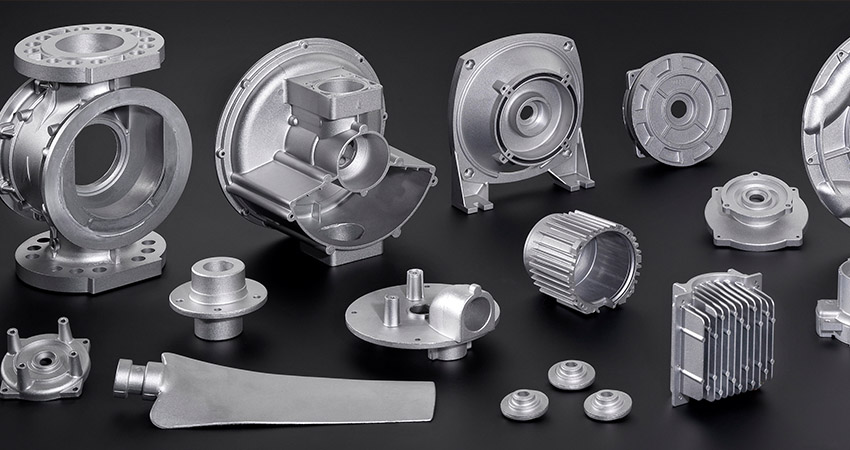
Aluminum casting has actually been an essential process in manufacturing for decades, its significance proceeds to grow in numerous sectors due to its flexibility and efficiency. This process includes putting liquified aluminum into molds to create intricate shapes and parts, making it optimal for generating lightweight yet resilient items. The aluminum casting process can be classified into a number of approaches, including sand casting, pass away casting, and investment casting, each offering unique benefits suited to specific applications.
Throughout the casting procedure, aluminum is warmed to its melting point, enabling it to flow easily right into molds that specify the final form. When cooled down, the aluminum solidifies, resulting in a strong and exact part. The ability to produce complex geometries with minimal waste underscores aluminum casting's function in modern manufacturing - Aluminum Castings. As sectors look for ingenious solutions, comprehending this process ends up being vital for optimizing production and meeting the demands of a developing market
Environmental Advantages of Aluminum Casting
As sectors progressively focus on sustainability, the environmental advantages of aluminum casting come to be extra pronounced. One considerable benefit is the product's recyclability; aluminum can be recycled repetitively without degrading its high quality. This minimizes the amount of waste sent to garbage dumps and minimizes the demand for virgin products, saving natural sources. In addition, the aluminum casting procedure generates fewer greenhouse gas exhausts compared to other steel casting techniques, adding to lower general environmental influence.
One more advantage exists in the lightweight nature of aluminum, which leads to fuel performance in transport applications. By utilizing aluminum elements, producers can reduce lorry weight, leading to lowered gas consumption and emissions throughout operation. Furthermore, innovations in aluminum casting innovations have resulted in a decrease in harmful waste manufacturing, enhancing overall environmental safety. Collectively, these factors placement aluminum casting as a principal in advertising sustainable production methods and meeting environmental goals throughout different markets.
Energy Performance in Aluminum Manufacturing
Power efficiency plays a vital role in aluminum manufacturing, noticeably impacting overall sustainability. By adopting innovative casting techniques and incorporating sustainable energy resources, makers can achieve minimized power usage throughout the production procedure. This change not only lowers functional costs but likewise adds to an extra eco pleasant sector.
Reduced Energy Intake
While the aluminum production industry has commonly been energy-intensive, current developments have significantly enhanced energy performance throughout the production process. Innovations in smelting technology and the fostering of high-efficiency furnaces have actually considerably lowered energy intake. These enhancements permit suppliers to use less energy per system of output, lessening greenhouse gas exhausts and lowering functional prices. In addition, the combination of sustainable energy sources right into manufacturing facilities additionally adds to reduced reliance on fossil gas, promoting sustainability. Executing innovative insulation products and maximizing warm recovery systems likewise plays an essential duty in making best use of power efficiency. Because of this, the aluminum sector is making substantial strides toward reducing its total environmental footprint while fulfilling the boosting demand for lasting practices in production.
Ingenious Casting Methods
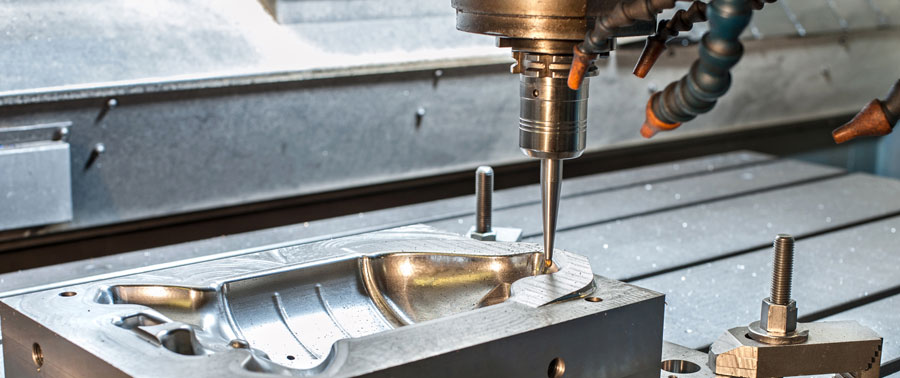
Innovative casting strategies are transforming the aluminum production landscape, improving both efficiency and sustainability. Advanced approaches such as die casting and investment casting minimize product waste and boost dimensional accuracy, resulting in reduced energy usage throughout the manufacturing process. Techniques like rapid solidification and semi-solid processing permit far better control over metallurgical residential properties, causing light-weight and high-strength elements. In addition, the implementation of computer simulations and automation in casting processes enhances cycle times and decreases defect rates. These technologies not just streamline production however likewise add to the round economic situation by making it possible for the recycling of aluminum scrap right into high-grade products. As an outcome, the aluminum industry is poised to fulfill growing needs while sticking to lasting production techniques.
Renewable Resource Assimilation
A substantial change in the direction of renewable power combination is improving power effectiveness in aluminum manufacturing. This modification entails using solar, wind, and hydropower sources to minimize reliance on nonrenewable fuel sources, substantially reducing carbon emissions. Facilities are progressively adopting energy-efficient innovations, such as advanced electrolytic procedures, which maximize power usage during aluminum manufacturing. By taking advantage of sustainable energy, producers not just decrease functional costs however likewise improve their sustainability profiles. Furthermore, smart grid innovations promote the seamless combination of eco-friendly sources, allowing for even more steady energy supplies. As the market welcomes these developments, the aluminum industry is placed to lead in sustainable methods, showing a dedication to ecological stewardship while meeting increasing global demand for lightweight, high-performance products.
The Recyclability of Aluminum and Its Effect
Aluminum's recyclability provides considerable advantages in sustainable production, permitting for infinite recycling without loss of top quality. This home not just lowers waste but also improves energy effectiveness throughout the reusing process. Consequently, the influence on both the atmosphere and manufacturing costs is profound, making aluminum a favored product in eco-conscious industries.
Infinite Recycling Prospective
Although several materials lose high quality through recycling processes, aluminum sticks out as a result of its limitless recyclability, which significantly adds to lasting manufacturing practices. This unique characteristic enables aluminum to be recycled consistently without deteriorating its buildings, making it an important source in various markets. The lifecycle of aluminum begins anew with each reusing initiative, saving basic materials and lowering waste. This not only minimizes the ecological effect but likewise promotes a circular economy where aluminum can be reused many times. The high need for recycled aluminum further stresses its importance in lasting manufacturing, as it enhances resource efficiency and advertises an environment-friendly approach to manufacturing. Ultimately, the limitless reusing potential of aluminum plays a significant function beforehand lasting techniques across industries.
Power Efficiency Advantages
Significant power savings are recognized via the recycling of aluminum, highlighting its role in sustainable manufacturing. Reusing aluminum requires only 5% of the power needed to generate new aluminum from raw products. This considerable reduction in energy usage equates right try this site into reduced greenhouse gas emissions, contributing to ecological sustainability. The power efficiency of aluminum recycling not just preserves sources yet also minimizes operational prices for suppliers, making it a financially feasible option. Additionally, the process of reusing aluminum can be incorporated into existing assembly line without substantial interruption, improving overall performance. As sectors progressively focus on sustainability, the recyclability of aluminum settings it as a key gamer beforehand energy-efficient production methods, fostering a circular economic climate and promoting accountable resource management.
Difficulties Facing Aluminum Casting in Sustainable Practices
While the aluminum casting sector has actually made strides towards sustainable practices, numerous challenges continue to be that prevent its progression. One considerable problem is the high power consumption linked with conventional casting techniques, which often depends on nonrenewable fuel sources. This dependence not only boosts operational expenses yet additionally adds to greenhouse gas discharges. Furthermore, the recycling process for aluminum can be inefficient, leading to material loss and boosted waste. Another difficulty is the minimal schedule of lasting raw materials, as sourcing recycled aluminum can be hard and costly. Additionally, regulative stress and varying environmental criteria throughout areas complicate compliance efforts, making it challenging for companies to take on consistent sustainable techniques. Finally, labor force training continues to be inadequate, with lots of employees doing not have the required abilities to implement innovative, eco-friendly strategies in casting procedures. Resolving these obstacles is necessary for the aluminum casting industry to totally recognize its possibility in sustainable manufacturing.
Innovations in Aluminum Casting Modern Technology
To overcome the difficulties dealt with in sustainable methods, the aluminum casting market is seeing a wave of innovations focused on improving performance and minimizing environmental impact. Advanced casting methods, blog here such as 3D printing and pass away casting, are being adopted to lessen material waste and improve precision. These technologies make it possible for producers to produce complicated geometries with less aluminum, therefore conserving sources.
Furthermore, the integration of recycling methods, consisting of closed-loop systems, helps with the use of scrap aluminum, significantly decreasing energy intake contrasted to main aluminum manufacturing. Boosted mold designs and finishes are additionally adding to sustainability by enhancing thermal performance and reducing discharges throughout the casting procedure.
Moreover, automation and clever manufacturing modern technologies are being applied to enhance production procedures, causing minimized cycle energy and times use. Collectively, these developments represent a considerable shift in the direction of even more lasting methods within the aluminum casting market, lining up with broader environmental goals.
Future Leads for Sustainable Production With Aluminum Casting
As the need for lasting manufacturing methods increases, the aluminum casting market is poised to play an essential duty in shaping a greener future. The market is significantly taking on recycling processes that substantially reduce waste and power consumption, lining up with global sustainability goals. Developments such as low-energy casting techniques and making use of recycled aluminum not only minimize carbon footprints yet additionally enhance the total efficiency of production.
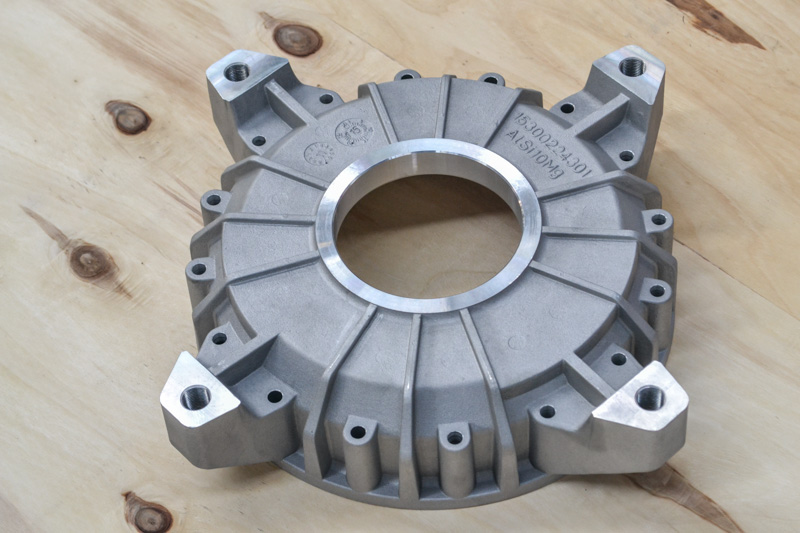
As industries seek to abide with stricter ecological laws, the aluminum casting sector stands all set to provide sustainable options, positioning itself as a vital gamer in the change towards green production practices in numerous sectors, including vehicle and aerospace.
Frequently Asked Concerns
Just How Does Aluminum Casting Compare to Various Other Metal Casting Techniques?
Aluminum casting typically uses advantages such as lower melting points and remarkable recyclability compared to other metal casting methods. Its lightweight nature and superb corrosion resistance further boost its charm in various manufacturing applications.
What Industries Benefit A Lot Of From Aluminum Casting?
Numerous markets, consisting of auto, aerospace, and customer items, significantly take advantage of aluminum casting - Aluminum Castings. This approach's light-weight, corrosion-resistant residential or commercial properties improve product performance while permitting intricate designs, making it an attractive choice for manufacturers looking for performance and technology
Can Aluminum Casting Be Used for Facility Layouts?
Aluminum casting can properly fit complicated designs as a result of its adaptability and capability to create complex shapes. This process allows makers to produce light-weight, sturdy elements ideal for various applications throughout different sectors, enhancing development and performance.
What Is the Life Expectancy of Aluminum Cast Products?
The life-span of aluminum cast products typically ranges from a number of decades to over a century, relying on variables such as ecological problems, maintenance, and the certain application. Durability makes them ideal for numerous long-term usages.
How Does Aluminum Casting Influence Work Development in Manufacturing?
Aluminum you can try these out casting significantly adds to job production in manufacturing by fostering proficient labor chances, sustaining neighborhood economic situations, and motivating technological innovations. This process not just boosts production effectiveness however also advertises labor force advancement and training initiatives.
Comments on “Aluminum Castings safety guidelines for workers”